
Thoracolumbar Fascia Stiffness and Chronic Low Back Pain in Active People

January 9, 2026

Low back pain is one of the most common reasons people seek care, especially among athletes and those who stay physically active. Whether you lift weights, run, play pickleball, or spend long hours sitting at work, your lower back absorbs a lot of stress. A recent study published in PLOS ONE examined how a structure called the thoracolumbar fascia may be involved in ongoing low back pain. This thick layer of connective tissue links the hips, core, and spine so you can move efficiently during everyday tasks and athletic training.

  • Person in gray shirt, hands on lower back, possibly experiencing pain outdoors.

    Slide title

    Write your caption here
    Button

What the Study Found

Researchers compared active individuals with chronic low back pain to those without pain using ultrasound imaging. They found that the fascia was not thicker in people with pain, but it was significantly stiffer, especially on the side used most often. This means the tissue may look normal, but it does not move or stretch the way it should in people who struggle with long-term back pain. This stiffness may limit motion, disrupt biomechanics, and increase strain on the joints of the lower back.

Why This Matters for Athletes, Active Adults, and Those with Low Back Pain

When the thoracolumbar fascia becomes stiff, it can change how your body moves and loads the spine. This often leads to reduced rotation, poor force transfer between the upper and lower body, and increased stress on spinal joints and discs. Over time, these biomechanical changes can turn small aches into chronic pain and prevent individuals from training, exercising, or engaging in activities of daily living.

How Thrive Sports & Spine Uses This Research to Guide Care

At Thrive Sports & Spine in Somers Point, NJ, we do not treat back pain with a one-size-fits-all approach. This study supports our multidisciplinary model, which focuses on restoring healthy tissue movement, improving biomechanics, and enhancing performance.

  • Chiropractic care helps restore normal joint motion and unload stiff, overloaded areas of the spine.
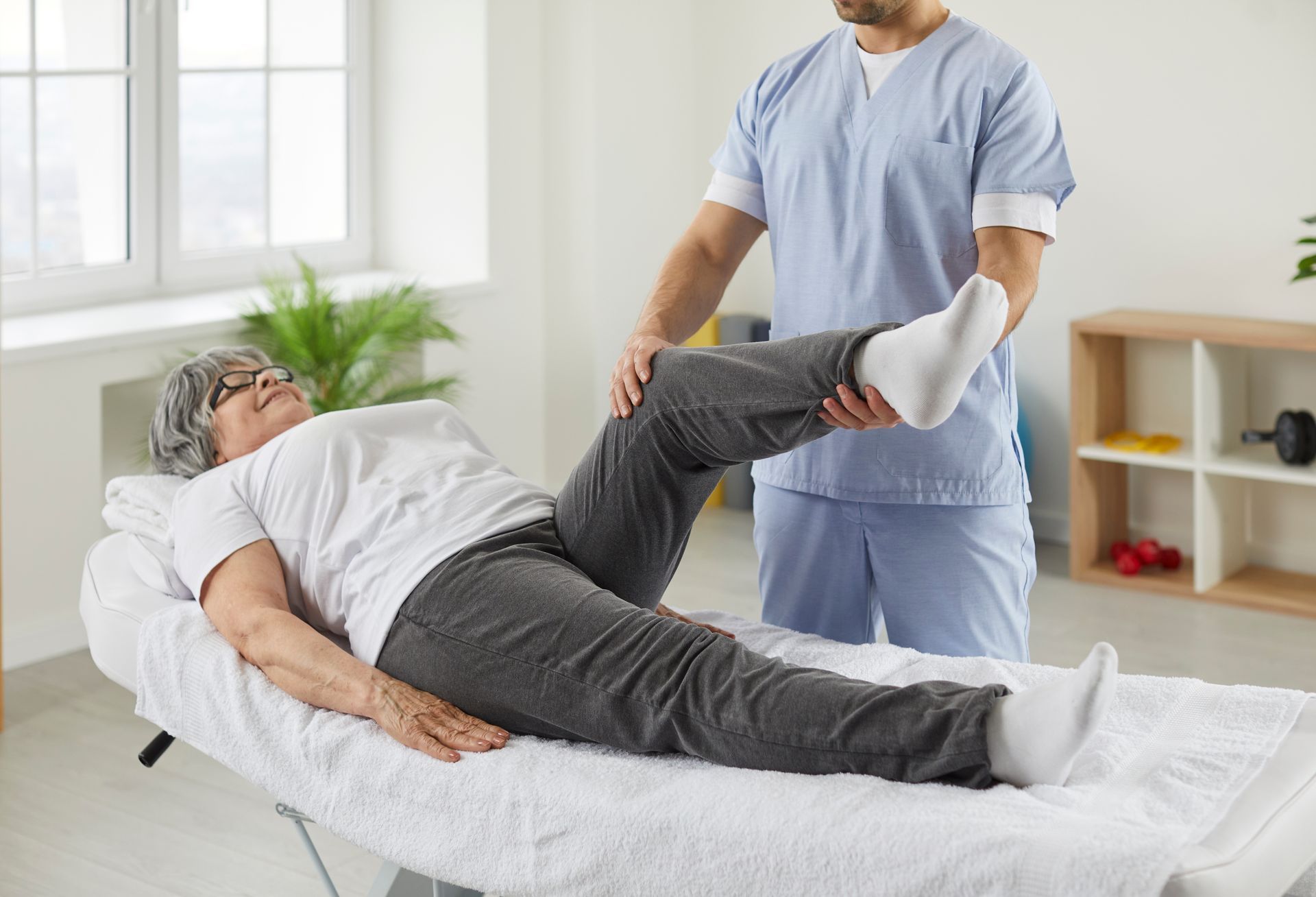
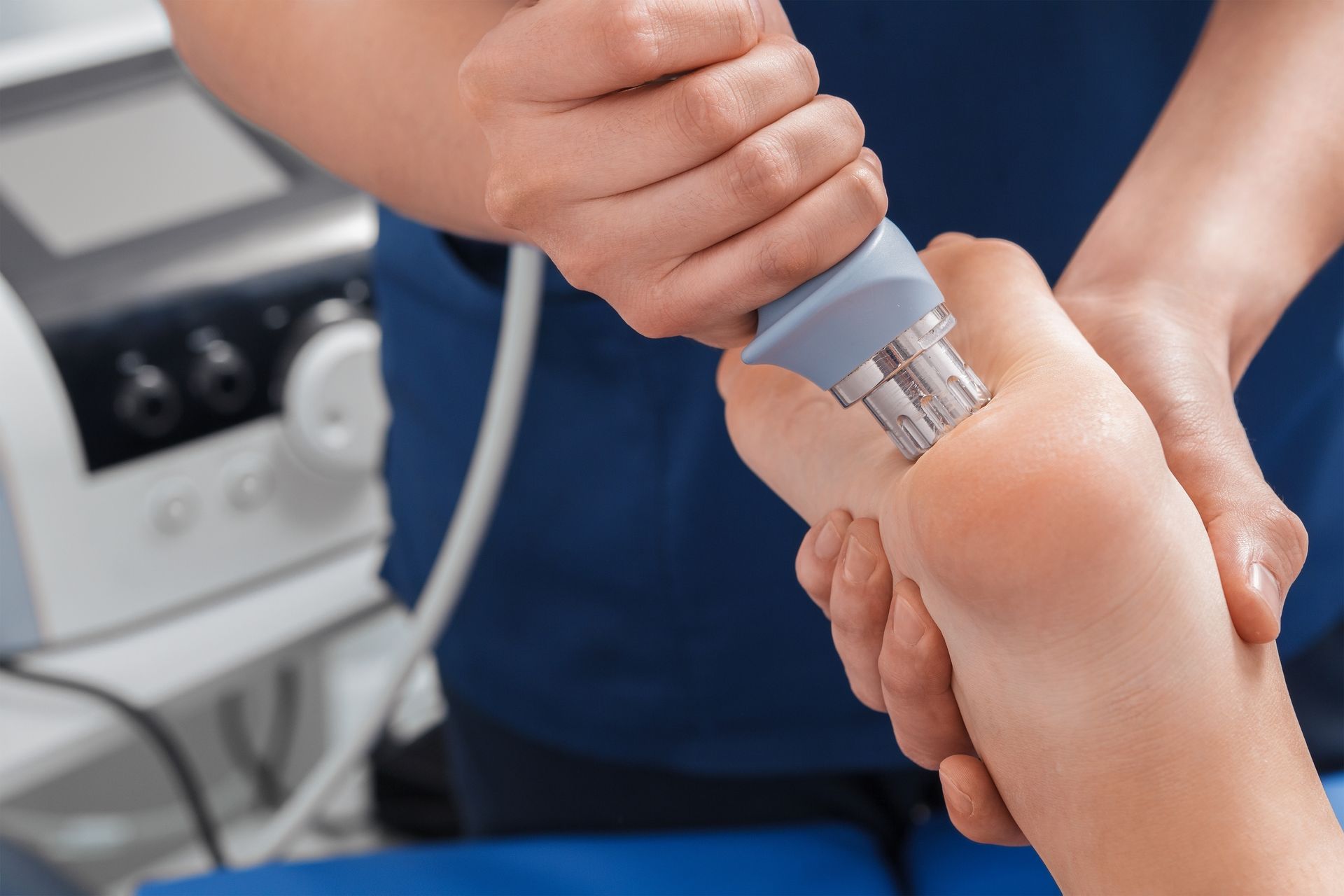
  • Soft tissue therapy and shockwave therapy target tight fascia and connective tissue to improve flexibility and blood flow.
  • Acupuncture supports pain reduction and helps calm overactive muscles and nervous system responses.
  • Occupational therapy and rehabilitation programs retrain deep core and stabilizing muscles so your body handles stress more efficiently.
  • Medical care, when appropriate, ensures a complete evaluation and supports recovery when pain is severe or persistent.

Getting Back to Moving at Your Best

If you are dealing with low back pain that keeps coming back, the problem may not be just your muscles or joints. Stiff connective tissue like the thoracolumbar fascia can quietly disrupt your movement patterns and limit your performance. By addressing fascia health, spinal motion, and stability together, we help our patients reduce pain, improve biomechanics, and return to the activities they love.

Reference: Zhou EF, Pirri C, Zhao X, Peng J, Wen T, Fang J, et al. Comparative study of thoracolumbar fascia changes in weightlifters with and without low back pain. PLOS One. 2025;20(12):e0338718.


January 9, 2026
Many people think of migraine as “just a headache.” But for many patients, migraine also comes with neck pain, stiffness, and tension that can make daily life harder — even when the headache itself isn’t present. A recent qualitative study published in the Brazilian Journal of Physical Therapy explored how people with migraine experience neck pain, how it affects their lives, and how they try to manage it. What the researchers found highlights an important gap in care — and an opportunity for a more complete, movement-focused approach to treatment. What the Study Looked At (In Simple Terms) Researchers interviewed 27 adults with migraine who also had neck pain . Instead of measuring numbers or scans, they focused on something just as important: how patients describe their pain, what they think causes it, and how they cope with it . This type of research helps us understand what patients are actually dealing with day to day — not just what shows up on a test. Key Findings: Neck Pain Is Common, Confusing, and Often Ignored The study found several important themes: Neck pain is very common in people with migraine Patients described neck pain as tightness, stiffness, locking, or tension Neck pain caused discomfort, worry, and frustration Most people were uncertain about what caused their neck pain Many relied on trial-and-error self-management , without clear guidance Interestingly, many participants said neck pain did not stop them from daily activities — unless it occurred with a migraine attack. This may explain why neck pain is often brushed off or left untreated, even though it adds to overall discomfort and stress. The authors concluded that healthcare providers should assess more than just headaches when treating migraine — especially the neck and upper spine (craniocervical region) . Why Neck Pain and Migraine Are Connected Research shows that people with migraine are much more likely to experience neck pain than people without headaches. The neck and head share nerve pathways, muscle connections, and movement patterns. Poor posture, stress, muscle weakness, joint stiffness, and repetitive positions can all increase strain on the neck — potentially worsening symptoms. When neck pain isn’t addressed, it can: Increase muscle tension Alter posture and movement Reduce confidence in movement Add to the overall migraine burden Where Occupational Therapy Fits In Occupational Therapy (OT) looks beyond pain alone. We focus on how pain affects daily life , including work, school, sleep, posture, stress, and movement habits. For patients with migraine and neck pain, OT may help by: Improving neck, shoulder, and upper-back mobility Addressing posture and ergonomic stressors (workstations, phones, backpacks, sleep positions) Teaching movement strategies to reduce strain during daily activities Building strength and endurance to support the neck and shoulders Helping patients understand how emotions, stress, and habits affect pain Providing clear guidance , so patients don’t feel confused about how to manage symptoms OT helps patients move with more confidence — not just during exercise, but during real-life tasks. A Team-Based Approach Works Best At Thrive Sports & Spine Associates, we use a multidisciplinary approach to migraine-related neck pain: Chiropractic care may improve joint mobility and spinal mechanics Acupuncture may help regulate pain, muscle tension, and nervous system response Medical providers help manage migraine diagnosis and medication when needed Occupational Therapy bridges the gap between treatment and daily function This team approach addresses pain, biomechanics, posture, movement, and performance — not just symptoms in isolation. The Takeaway This study reinforces an important message: Neck pain matters in migraine — even when it doesn’t stop daily activities.  When neck pain is misunderstood or ignored, patients are left guessing how to manage it. With proper assessment, education, and movement-based care, patients can gain clarity, confidence, and better control over their symptoms. If you experience migraines with neck pain, a comprehensive evaluation of the neck and upper spine may be an important step toward feeling and moving better. Study Link https://doi.org/10.1016/j.bjpt.2025.101565 Reference Dietrich Deitos Rosa, M., Florencio, L. L., Marçal, J. C. S., Dach, F., Palacios-Ceña, D., & Bevilaqua-Grossi, D. (2025). The experience of neck pain in people with migraine: A qualitative study. Brazilian Journal of Physical Therapy.
Woman in sportswear, holding her lower back in pain while standing on a path in a park.
January 9, 2026
At Thrive Sports and Spine, we take a whole-body, team-based approach to spine health, especially for patients with recurring injuries.
December 16, 2025
We all hear it: adults should aim for 150 minutes of moderate physical activity each week. But what does that actually mean for your body, brain, and daily life — especially if you deal with back or neck pain, stiffness, or limited mobility? A landmark meta-analysis published in The American Journal of Psychiatry found that higher levels of physical activity were associated with a significantly reduced risk of developing depression across diverse age groups and populations. This research reinforces that exercise does more than support physical fitness; it also plays a powerful role in mental health. (Schuch et al., 2018; psychiatryonline.org/doi/10.1176/appi.ajp.2018.17111194 ) The Science Behind 150 Minutes per Week Because movement improves so many aspects of health, major public health institutions recommend adults get at least 150 minutes of moderate-intensity activity weekly — like brisk walking, cycling, or other sustained motion. This is more than a number: it’s a threshold where science shows consistent, measurable benefits. According to the CDC and WHO, regular physical activity: • Improves mood and reduces symptoms of depression and anxiety. (CDC; WHO) CDC+1 • Helps manage and prevent chronic conditions like cardiovascular disease, type 2 diabetes, and some cancers. (CDC; WHO) CDC+1 • Enhances sleep quality and cognitive function. (CDC; The Wellness Coalition) CDC+1 • Strengthens muscles and joints, improving balance and mobility as we age. (CDC Physical Activity Guidelines) CDC The evidence on physical activity is so strong that guidelines now emphasize any movement is better than none, and benefits accumulate even if activity is spread throughout the day. (American Heart Association) www.heart.org Movement and Spine Health: Why It Matters Beyond general health, physical activity has direct implications for the musculoskeletal system. Movement stimulates joint lubrication, supports muscular strength, and maintains healthy range of motion — all essential for spine health. Even simple activities like walking can reduce the risk of chronic low back pain when done consistently over time. Recent research suggests that accumulating walking time throughout the week can lower chronic back pain risk by encouraging mobility and circulation and decreasing inflammation in spinal tissues. Health Where Chiropractic Care Fits In Chiropractic care and physical activity are not alternatives — they are complementary. At Thrive Sports & Spine Associates, we don’t just treat pain; we focus on enabling better movement. Pain, stiffness, or restricted joint motion can make physical activity feel difficult or discouraging. Chiropractic care may help by: • Improving joint and spinal mobility so movement feels smoother and less restricted. • Enhancing nervous system function, which influences muscle coordination and posture. • Reducing pain and discomfort that often limit a patient’s ability to stay active. (PubMed research on chiropractic patients shows small but meaningful improvements in function and quality of life for people with chronic back or neck pain.) PubMed This is critical because movement recommendations only matter if patients can actually move consistently. When chiropractic care reduces pain and improves functional mobility, it can make reaching that 150-minute target more attainable and more sustainable. What 150 Minutes of Movement Really Buys You By combining chiropractic care with regular movement, you can expect: • Better physical function with less pain • Greater confidence in movement • Improved musculoskeletal resilience • Lower risk of chronic disease • Enhanced mood and cognitive benefits Most importantly, there’s no single “perfect” workout. Movement includes walking, swimming, golfing, cycling, gardening — any activity that gets your body moving and your heart rate up. (CDC; WHO) CDC+1 If your goal is to move better, feel better, and stay healthier — both physically and mentally — combining consistent activity with chiropractic care is a strategy worth considering. Learn more about our movement-focused approach to care at: https://www.thrivesportsandspine.info/ You can read the full study here: https://psychiatryonline.org/doi/10.1176/appi.ajp.2018.17111194 Reference Schuch, F. B., Vancampfort, D., Firth, J., Rosenbaum, S., Ward, P. B., Silva, E. S., Hallgren, M., Ponce De Leon, A., Dunn, A. L., Deslandes, A. C., Fleck, M. P., Carvalho, A. F., & Stubbs, B. (2018). Physical activity and incident depression: A meta-analysis of prospective cohort studies. American Journal of Psychiatry, 175(7), 631–648.
December 8, 2025
As people age — or even simply through years of wear, injury, or poor posture — balance, strength, and postural control become critical to mobility, pain prevention, and overall quality of life. That’s why interventions focused on improving strength, balance, and movement can be powerful not just for recovery, but for long-term wellness. A 2020 meta-analysis reviewed randomized trials of exercise interventions in older adults and found that physical exercise significantly improved both static and dynamic balance. The analysis also found that participants who engaged in exercise programs had a reduced rate of falls compared with controls, and fewer people experienced at least one fall. PubMed+1 These findings support a growing consensus: exercise — especially when structured and consistent — is a highly effective tool to improve balance, enhance physical performance, and reduce fall risks. PMC+2PubMed+2 How We at Thrive Sports & Spine Are Embracing That Evidence At Thrive Sports & Spine, we believe care should be holistic and forward-looking. That’s why we’re excited to announce a new initiative: the integration of Occupational Therapy (OT) into our patient care plans. Here’s how adding Occupational Therapy will benefit our patients: OT will allow us to deliver structured, evidence-based exercise and balance training — the very type of intervention shown to improve balance and lower fall risk in the research. Through personalized OT plans, we’ll work with patients to improve not only spinal or joint health, but also core stability, balance, functional mobility, posture, and everyday movement patterns . For patients who are older, recovering from injury, dealing with chronic pain, or working on rehabilitation — OT gives us another tool to help restore not just comfort, but resilience and long-term functional health. OT’s focus on movement, strength, balance, and functional activities meshes well with our chiropractic, soft-tissue, and rehab offerings — creating a truly multidisciplinary treatment plan tailored to each patient. Why a Multidisciplinary Approach Is the Future of Spine & Joint Care Recent trends in musculoskeletal health care suggest that combining multiple strategies — passive therapies (like manual adjustments, soft tissue work) with active therapies (exercise, rehab, balance training) — is often more effective than any single approach alone. PMC+2Chiro.org+2 By adding Occupational Therapy to our existing services, Thrive Sports & Spine aims to embrace that evidence-based, patient-centered model. We’re not just chasing short-term pain relief — we’re looking to help our patients move better, stay stable, and maintain functional freedom over the long run. What This Means for You — Practical Benefits of OT + Chiropractic Care If you choose care at Thrive Sports & Spine, here’s what you can expect under our new program: A comprehensive assessment that looks beyond just spine or joint pain — evaluating posture, balance, core strength, gait, lifestyle, and fall risk. A personalized plan combining manual therapy (adjustments, soft tissue work), rehabilitative exercises, balance training and functional movement drills guided by an OT. Tools and guidance for improving stability, preventing injury, and enhancing mobility for everyday activities — whether you’re young or older, injured or just looking to stay active. A proactive, evidence-based approach to long-term musculoskeletal health — not just reactive care when pain strikes. Conclusion — Committing to Better Movement and Stability The evidence is clear: structured exercise and balance training improve balance, reduce falls, and enhance overall mobility. PubMed+1 At Thrive Sports & Spine, we’re proud to evolve — adding Occupational Therapy to our services so we can deliver a broader, more holistic approach to care. If you’ve been dealing with mobility challenges, balance issues, chronic pain, or just want to build stronger foundations for long-term health — we’re here to help, with a plan grounded in research and designed for real life.  Citation Papalia GF, Papalia R, Diaz Balzani LA, Torre G, Zampogna B, Vasta S, Fossati C, Alifano AM, Denaro V. The Effects of Physical Exercise on Balance and Prevention of Falls in Older People: A Systematic Review and Meta-Analysis. Journal of Clinical Medicine. 2020;9(8):2595. doi:10.3390/jcm9082595. PMCID: PMC7466089.
December 8, 2025
Over the past few decades, chiropractic care has moved beyond tradition and opinion — it is increasingly grounded in research. According to the article Evidence-Based Practice and Chiropractic Care, a growing body of well-conducted clinical trials and systematic reviews shows that manual therapies such as spinal manipulation, massage, and joint mobilization can be effective and safe for many common musculoskeletal conditions. At Thrive Sports & Spine, this shift toward evidence-based care isn’t a trend. It is part of our mission. We design each treatment plan using a comprehensive movement assessment, orthopedic and neurologic evaluation, and a clear understanding of your specific pain, lifestyle, and goals. What the Research Says — And How We Apply It Back, Neck, and Headache Relief The article highlights strong evidence that spinal manipulation can help with acute, subacute, and chronic low back pain. Research also supports manipulation, especially when combined with exercise, for certain types of neck pain and headaches, including cervicogenic headache and migraine. Massage and soft-tissue therapies also show benefit when paired with movement-based rehabilitation. At Thrive, this means treatment for lower back pain, neck stiffness, posture-related issues, or recurring headaches is guided by proven approaches rather than guesswork. More Than Just the Spine: Extremities, Joints, and Whole-Body Health While the strongest research evidence focuses on spinal conditions, the article notes that manual therapy may also help with shoulder pain, knee or hip discomfort, plantar fasciitis, and other joint issues. These findings support what we see clinically: many patients improve when care includes a combination of adjustments, soft-tissue treatment, corrective exercise, and other targeted therapies. This aligns with our approach at Thrive Sports & Spine, where every treatment plan is tailored. We use techniques such as spinal adjustments, soft-tissue therapy, spinal decompression, targeted rehabilitation exercises, shockwave therapy, and more, depending on each patient’s needs. What This Means for Patients — Safe, Effective, Personalized Care The research shows that manual therapies are generally safe, with serious complications being rare, and most side effects mild and short-lived, similar to what you might feel after exercising. As chiropractic education evolves to include more scientific evaluation, patients benefit from care that is rooted in evidence rather than tradition alone. At Thrive Sports & Spine, this commitment translates into safe, personalized, and effective treatment for a wide range of musculoskeletal conditions. Why Thrive Is a Good Fit — Our Philosophy Meets Evidence At Thrive Sports & Spine, we look for the root cause rather than treating symptoms alone. Our chiropractors are trained in several manual and soft-tissue techniques, including methods like Active Release Technique. We offer spinal adjustments, decompression therapy, soft-tissue treatments, and other modalities that allow us to choose the most appropriate option for each individual. Instead of a single approach for everyone, we create treatment plans based on movement patterns, posture, function, and your long-term health goals. Final Thoughts: Empowered Care for Long-Term Health The shift toward evidence-based chiropractic care reflects a broader movement in healthcare toward data-driven decisions and patient-centered treatment. For patients at Thrive Sports & Spine, this means receiving care that is supported by research and personalized for your unique needs. If you are dealing with back pain, neck discomfort, joint problems, recurring injuries, or mobility limitations, you deserve treatment guided by evidence and tailored specifically to you. Thrive Sports & Spine is here to help you move better, feel stronger, and live with less pain. https://pmc.ncbi.nlm.nih.gov/articles/PMC3716373/ Citation Clar C, Tsertsvadze A, Court R, Hundt GL, Clarke A, Sutcliffe P. Evidence-Based Practice and Chiropractic Care. Journal of Evidence-Based Complementary and Alternative Medicine. 2011;16(1):17–31. Available from: https://pmc.ncbi.nlm.nih.gov/articles/PMC3716373/
November 11, 2025
When you’re focusing on peak performance, recovery, and musculoskeletal health, you probably think about movement, chiropractic adjustments, nutrition and sleep. But there’s another key piece that often gets overlooked: the mineral magnesium. A recent systematic review shows that supplementing magnesium can reduce muscle soreness, improve recovery and protect against muscle damage in physically active people. PMC As a chiropractor who helps people optimize their neuromuscular system, I want you to understand how magnesium fits into the bigger picture of structural, nervous system, and recovery-based care. What the Review Found The review looked at studies where magnesium supplementation (MgS) was used by physically active individuals. Key findings included: MgS reduced delayed onset muscle soreness (DOMS) in several trials. In athletes undergoing intense training, MgS appeared to provide a protective effect on markers of muscle damage (e.g., creatine kinase, lactate dehydrogenase). Physically active individuals may need ~10-20% more magnesium than sedentary people to support muscle recovery and performance. The review pointed out that type, timing and dosage of supplementation still need more research—but the evidence is strong enough to consider magnesium as part of a recovery strategy. Why This Matters for Chiropractic Care & Recovery When you come in for chiropractic care, the goal is often to restore optimal joint motion, reduce nerve interference, relieve muscle tension and support your body’s ability to heal. But for that to happen efficiently, your body must have the resources and internal environment to respond well. Here’s how magnesium supports that: Magnesium plays a role in neuromuscular transmission, muscle contraction and relaxation—which means fewer spasms, less muscle tension, and better tissue responsiveness. When muscles are less sore, less damaged and better recovering, they hold adjustments more reliably, function better, and respond more predictably. Reduced muscle soreness and damage means less compensatory strain on joints, less protective guarding by muscles, and a calmer nervous system— all of which enhance the outcome of chiropractic interventions. By integrating magnesium support (through diet, maybe supplementation, and monitoring) into your recovery plan, you create a multi-layer strategy: structure (chiropractic), movement (exercise), and recovery (nutrition/minerals). Actionable Strategies for You Here are practical steps you can take (and what I may check in your intake/sessions) to support magnesium and enhance your chiropractic results: Dietary sources of magnesium: nuts (almonds, cashews), leafy greens, whole grains, beans, and seeds—prioritize these in your meals. Consider appropriate supplementation (under supervision): physically active individuals may benefit from a magnesium supplement in the 300-500 mg/day range, especially when training heavy, traveling, or recovering from injury (as the review suggests). Timing: Some evidence suggests taking magnesium 1–2 hours before physical activity may help; at the least, ensure consistent daily intake, including on non-training/rest days. Chiropractic, sleep, movement & minerals: When we adjust joints and calm the nervous system, we also review sleep, movement patterns and nutrition—magnesium becomes part of the recovery toolkit. Monitor soreness, recovery and function: If you’re sore for days after movement, holding compensatory patterns, or not responding well to adjustments, magnesium status may be one piece of the puzzle. Conclusion Your body is a highly integrated system. Chiropractic care helps restore structure and nervous system balance, but the internal biochemical environment must support that restoration. Magnesium is a key mineral in that environment—supporting muscle recovery, reducing soreness, and allowing your body to absorb the benefits of treatment, training and movement. If you’re serious about getting the most from your care, your workouts and your recovery, don’t overlook magnesium. Let’s incorporate it into your holistic plan. Reference: Effects of magnesium supplementation on muscle soreness, performance and recovery. PMC 11227245. https://pmc.ncbi.nlm.nih.gov/articles/PMC11227245/
November 11, 2025
Sleep is one of the most powerful recovery tools we have, yet it’s often the first thing we sacrifice. A 2021 study published in Physiological Reports demonstrated just how critical it is for muscle repair and hormonal balance. After only one night without sleep, participants showed measurable declines in muscle protein synthesis — the body’s process of repairing and rebuilding muscle tissue — and shifts in key hormones that directly impact recovery. If you’re striving to improve your strength, heal from an injury, or simply feel your best, this study shows that without adequate sleep, even the best training and treatment plan will fall short. What the Study Found Researchers examined healthy young men and women who underwent two different conditions: a normal night of sleep (10 PM–7 AM) and a night of total sleep deprivation. The following day, blood samples and muscle biopsies were taken. Results showed: Muscle protein synthesis decreased by approximately 18% after one sleepless night. Cortisol (a catabolic, stress-related hormone) increased by about 21%. Testosterone (an anabolic, repair-supporting hormone) decreased by roughly 24%. No major changes were seen in IGF-1 or short-term muscle protein breakdown. In simple terms: just one night of lost sleep blunted the body’s ability to build muscle and shifted its hormonal balance from growth and repair to breakdown and stress. Why This Matters for Chiropractic and Recovery When you come in for chiropractic care, you’re investing in your body’s ability to heal, adapt, and perform. Adjustments help restore normal joint motion, calm the nervous system, and support circulation and mobility. But that process relies on what your body does after you leave the office — and that’s where sleep comes in. Sleep is when tissue repair, inflammation control, and neuromuscular adaptation occur. Without it, recovery slows, pain sensitivity increases, and the benefits of chiropractic adjustments or rehabilitation work are diminished. That’s why your chiropractor asks about your sleep: it’s one of the most accurate windows into how well your body is truly recovering. Practical Ways to Improve Sleep Quality Aim for 7.5–9 hours per night. Consistency matters more than perfection. Limit blue light from phones or screens 60–90 minutes before bed. Create a cool, dark environment to promote deeper sleep cycles. Avoid heavy meals or caffeine close to bedtime. Try pre-sleep relaxation strategies: gentle stretching, deep breathing, or mindfulness. The Takeaway Skipping sleep isn’t just about feeling groggy — it directly interferes with your body’s ability to heal and adapt. Chiropractic care can optimize how your body functions, but lasting results depend on what you do between visits. Sleep well, move often, and let your body do what it’s designed to do: repair and thrive. Reference: Lamon S., Morabito A., Arentson-Lantz E., et al. (2021). The effect of acute sleep deprivation on skeletal muscle protein synthesis and the hormonal environment. Physiological Reports, 9(1): e14660. https://pmc.ncbi.nlm.nih.gov/articles/PMC7785053/
November 6, 2025
We all know what it feels like to lose a night of sleep — fatigue, brain fog, irritability. But research shows the impact goes much deeper than just feeling tired. A recent study published in Frontiers in Behavioral Neuroscience found that just one night of sleep deprivation can disrupt hormone balance, increase inflammation, and impair cognitive performance — even in healthy young adults. What the Study Found Researchers asked participants to stay awake for 24 hours. The results were striking: Inflammation skyrocketed: Blood markers such as IL-6 and CRP increased, showing that even one night without rest triggers systemic inflammation. Hormone balance was disrupted: Cortisol — the hormone that helps regulate your stress response and energy — dropped significantly the following morning. Cognition and mood declined: Participants experienced higher fatigue, confusion, anxiety, and slower reaction times. The takeaway? Sleep isn’t just a comfort — it’s a physiological necessity for your body to repair, recover, and regulate inflammation. Why This Matters in Chiropractic Care As chiropractors, we focus on restoring proper nervous system function, improving mobility, and reducing stress throughout the body. Sleep directly supports that process. When you’re sleep-deprived, your nervous system remains in a heightened sympathetic (fight-or-flight) state. That can lead to: Increased muscle tension and pain sensitivity Slower tissue healing and recovery Hormonal imbalance that amplifies fatigue and stress Reduced ability to adapt to adjustments or physical stress Chiropractic care can help improve sleep quality by reducing musculoskeletal pain, optimizing spinal alignment, and enhancing parasympathetic (rest-and-digest) activity — the branch of your nervous system that helps you relax and recover. What You Can Do Prioritize sleep and active recovery to reduce systemic inflammation. Support your body with anti-inflammatory nutrients (omega-3s, vitamin D, and antioxidants). Include regular mobility and chiropractic care to keep your nervous system adaptable and responsive. Address stress holistically, mental, physical, and nutritional. Final Thoughts You can’t out-adjust, out-stretch, or out-train a lack of sleep. When your body is aligned and your nervous system is balanced, deep, restorative sleep becomes easier — and your ability to recover and perform improves dramatically. At our office, we focus on the full picture of health: alignment, nervous system function, recovery, and lifestyle. Because better sleep isn’t just about feeling rested — it’s about helping your body heal. Reference: Thompson RS, Strong RA, Fleshner M, et al. Acute sleep deprivation disrupts emotion, cognition, inflammation, and cortisol in young healthy adults. Front Behav Neurosci. 2022;16:945661. doi:10.3389/fnbeh.2022.945661 https://pmc.ncbi.nlm.nih.gov/articles/PMC9538963/
October 24, 2025
At our chiropractic office, we focus on more than just pain relief and alignment. True performance and recovery start with how well your body and brain communicate. A new study reminds us that inflammation, often seen as a purely physical issue, also impacts your cognitive performance. A recent cross-sectional study, “Inflammation and cognitive performance in elite athletes” (Wiedenbrüg et al., 2024), explored how inflammatory markers, metabolic hormones, micronutrients, and recovery status relate to cognitive functions in 350 elite athletes. The findings highlight how systemic inflammation and nutritional status influence brain performance, directly affecting how athletes think, react, and recover. Key Takeaways Inflammation matters for cognition. Elevated pro-inflammatory cytokines (like TNF-α) were linked to poorer working memory and reduced cognitive flexibility, particularly in athletes from closed-skill sports. Vitamin D supports brain performance. Higher vitamin D levels correlated with improved cognitive flexibility. Hormones, stress, and recovery are interconnected. Processing speed and attention were best explained by a mix of metabolic hormones and physiological/psychological stress levels. What This Means for Chiropractic Patients Chiropractic care supports nervous system balance, which plays a key role in inflammation regulation and brain–body communication. This research highlights that cognitive performance isn’t just about “mental focus”, it’s influenced by your physiology. Chronic inflammation can dull your brain. Even low-grade inflammation affects how quickly your nervous system processes information. Recovery is brain training. Sleep, nutrition, and stress management enhance both musculoskeletal and cognitive recovery. Chiropractic care supports total performance. By optimizing nervous system function and joint mobility, chiropractic helps reduce physiological stress and improve neuromuscular communication. Actionable Tips for Athletes and Active Adults Prioritize sleep and active recovery to reduce systemic inflammation. Support your body with anti-inflammatory nutrients (omega-3s, vitamin D, and antioxidants). Include regular mobility and chiropractic care to keep your nervous system adaptable and responsive. Address stress holistically, mental, physical, and nutritional. In Summary The brain and body are one system. Your training, recovery, and inflammation levels shape how effectively that system functions. Chiropractic care fits into this picture by helping regulate the nervous system, support recovery, and optimize both movement and cognition. Reference: Wiedenbrüg, C., et al. (2024). Inflammation and cognitive performance in elite athletes: A cross-sectional study. Brain, Behavior & Immunity – Health, 36, 101431. https://doi.org/10.1016/j.bbih.2024.101431
October 24, 2025
NHIS data shows chiropractic outperforms other treatments for spine pain. Over 96% of patients say chiropractic helps with back pain and neck pain.