
Why Some People Keep Re-Injuring Their Lower Back: What New Research Says About Collagen and Disc Herniations
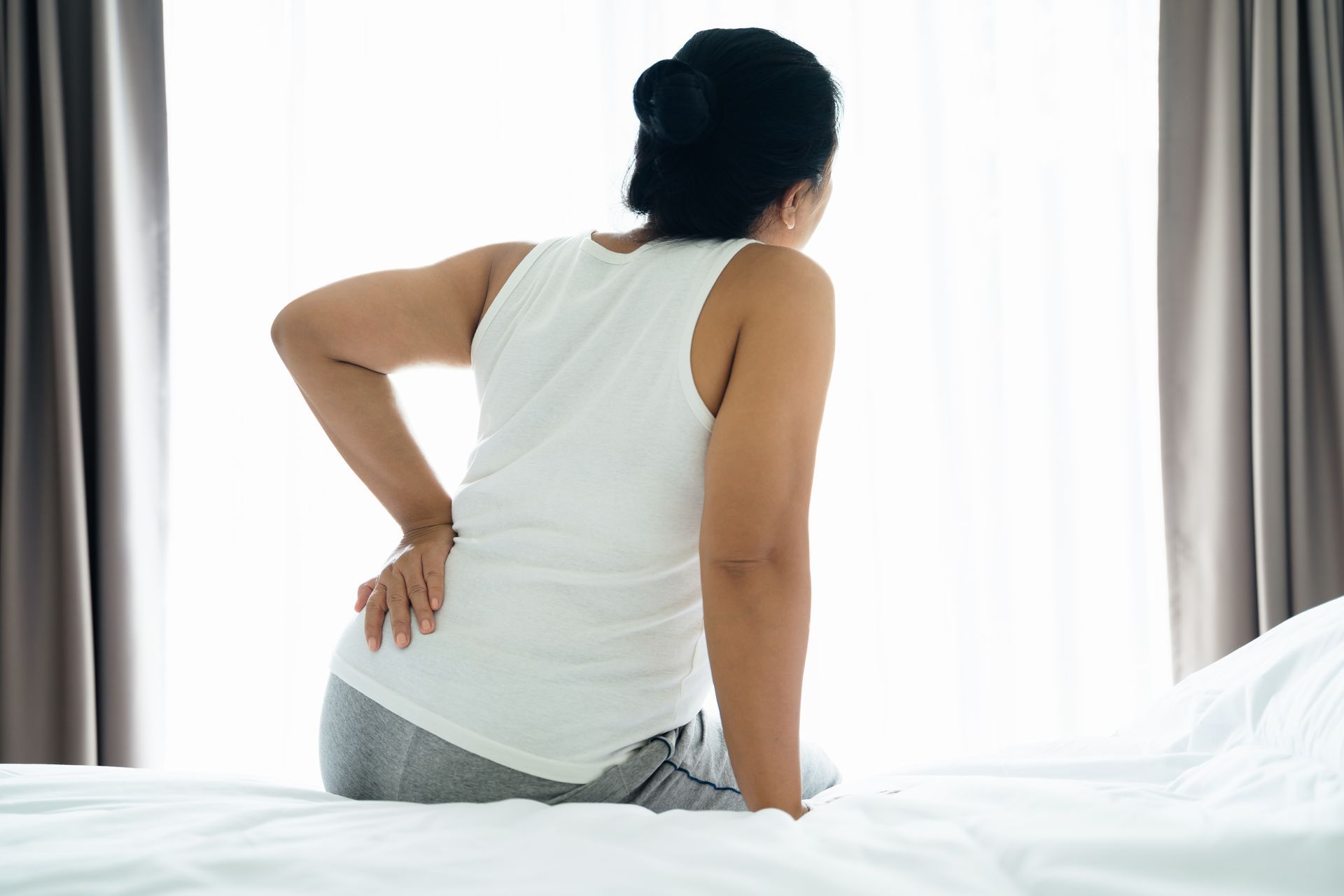
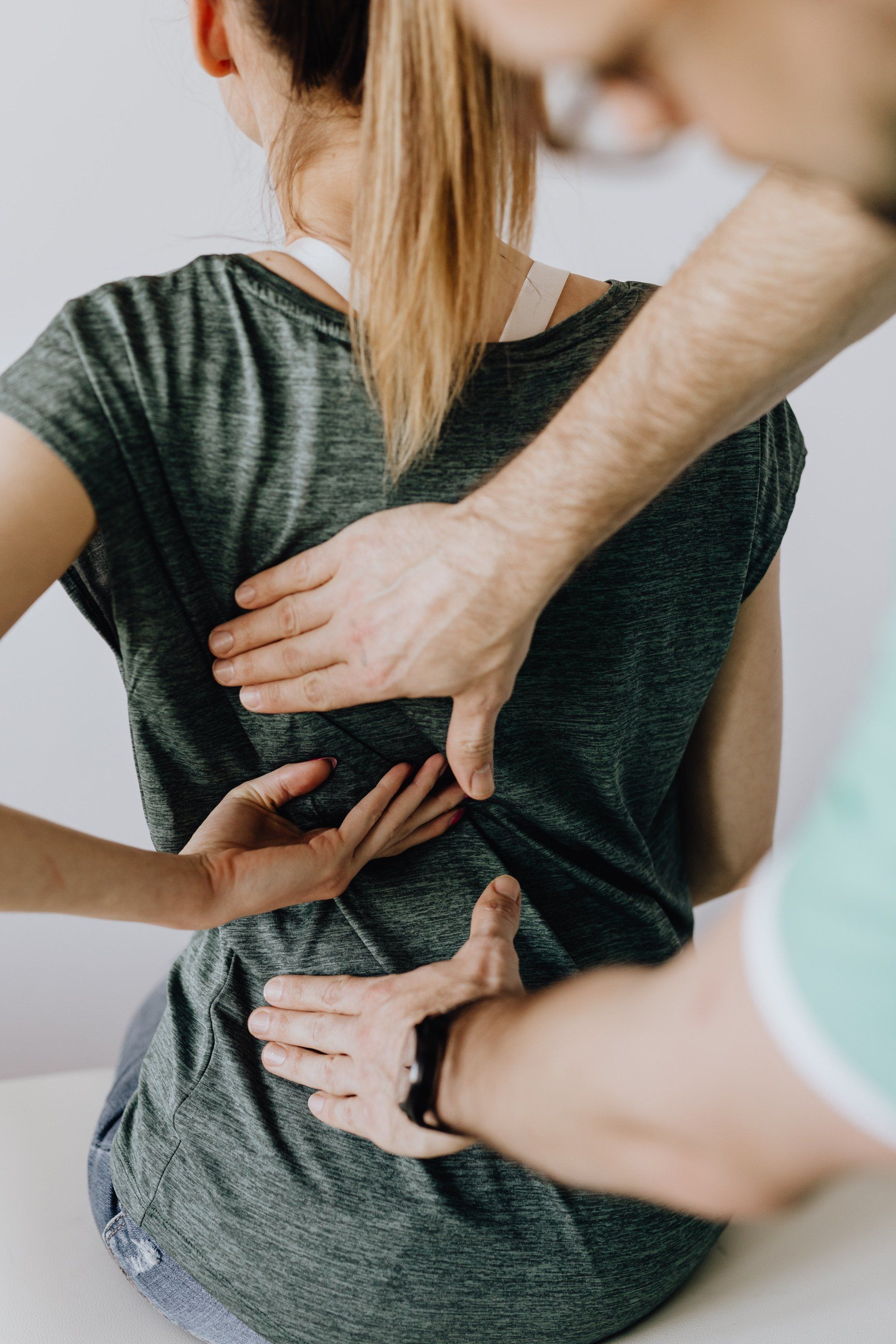
Low back pain is one of the most common reasons people miss work, stop exercising, or seek medical care. One major cause of low back pain is a lumbar disc herniation, sometimes called a “slipped” or “bulging” disc. Even more frustrating—some people experience the same disc injury over and over again.
A new 2026 study published in the Journal of Clinical Neuroscience helps explain why this happens for certain patients.

What Did the Study Find?
Researchers found that people with collagen disorders or loose ligaments (called ligamentous laxity) have a higher risk of both first-time and repeat lumbar disc herniations.
Collagen is a key building block of your:
- Spinal discs
- Ligaments
- Tendons
- Connective tissue
When collagen is weaker or more flexible than normal, the spine may not stay as stable during movement. Over time, this extra motion can place stress on the discs, increasing the risk of injury and re-injury.
In simple terms:
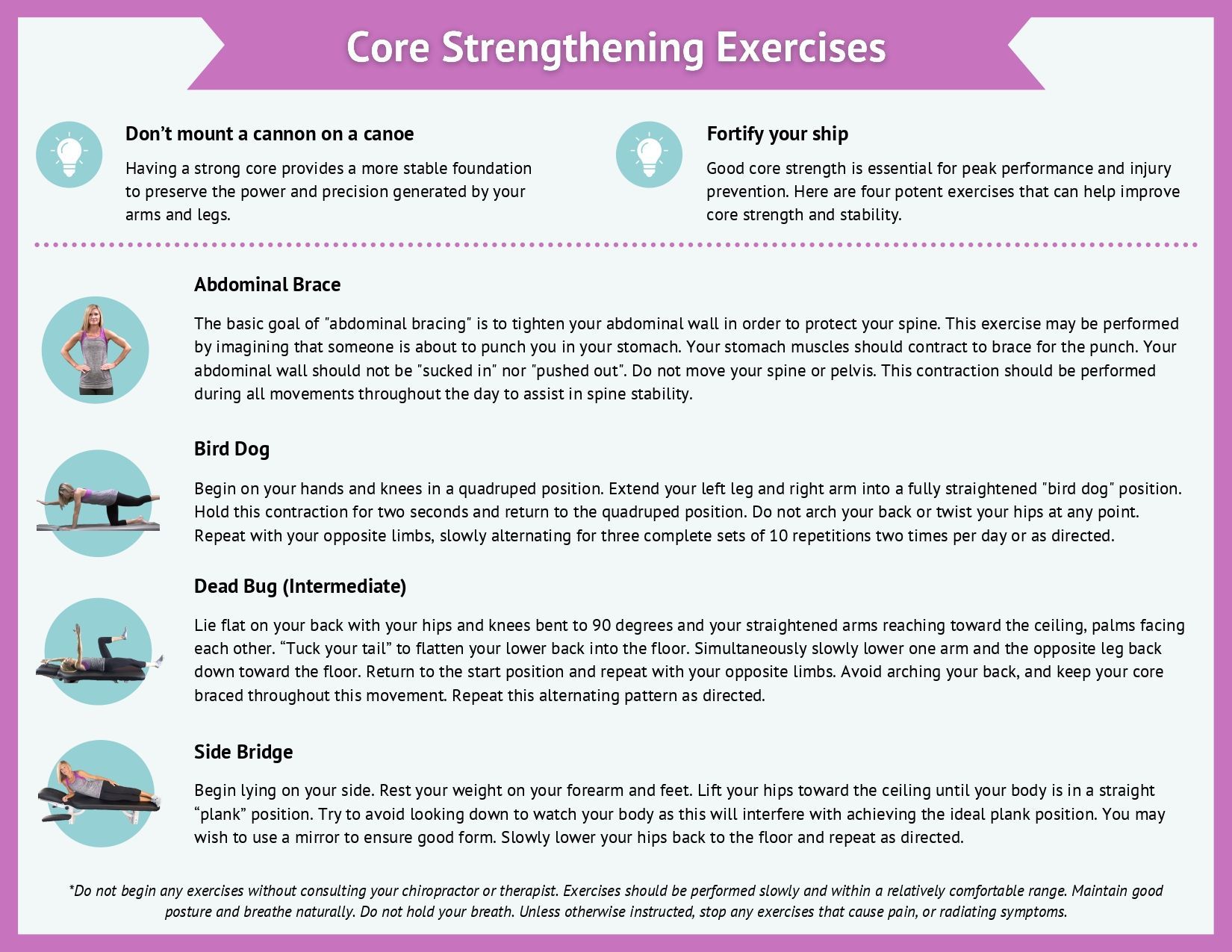
If your spine doesn’t have a strong foundation, adding more force can cause breakdown. As the saying goes, “Don’t mount a cannon on a canoe.”
Why Strength Alone Isn’t Enough
Many people think the solution to back pain is just “getting stronger.” Strength is important, but only when it’s built on proper stability, alignment, and control.
If joints are too loose or biomechanics are off, aggressive workouts or poor training plans may actually increase injury risk. This is why the study emphasizes the need for modified rehabilitation and stabilization-focused care.
If you want better core strength, there is a
great infographic below explaining why quality of movement matters more than brute force.
How Thrive Sports and Spine Can Help
At Thrive Sports and Spine, we take a whole-body, team-based approach to spine health, especially for patients with recurring injuries.
Our integrated care model can help by:
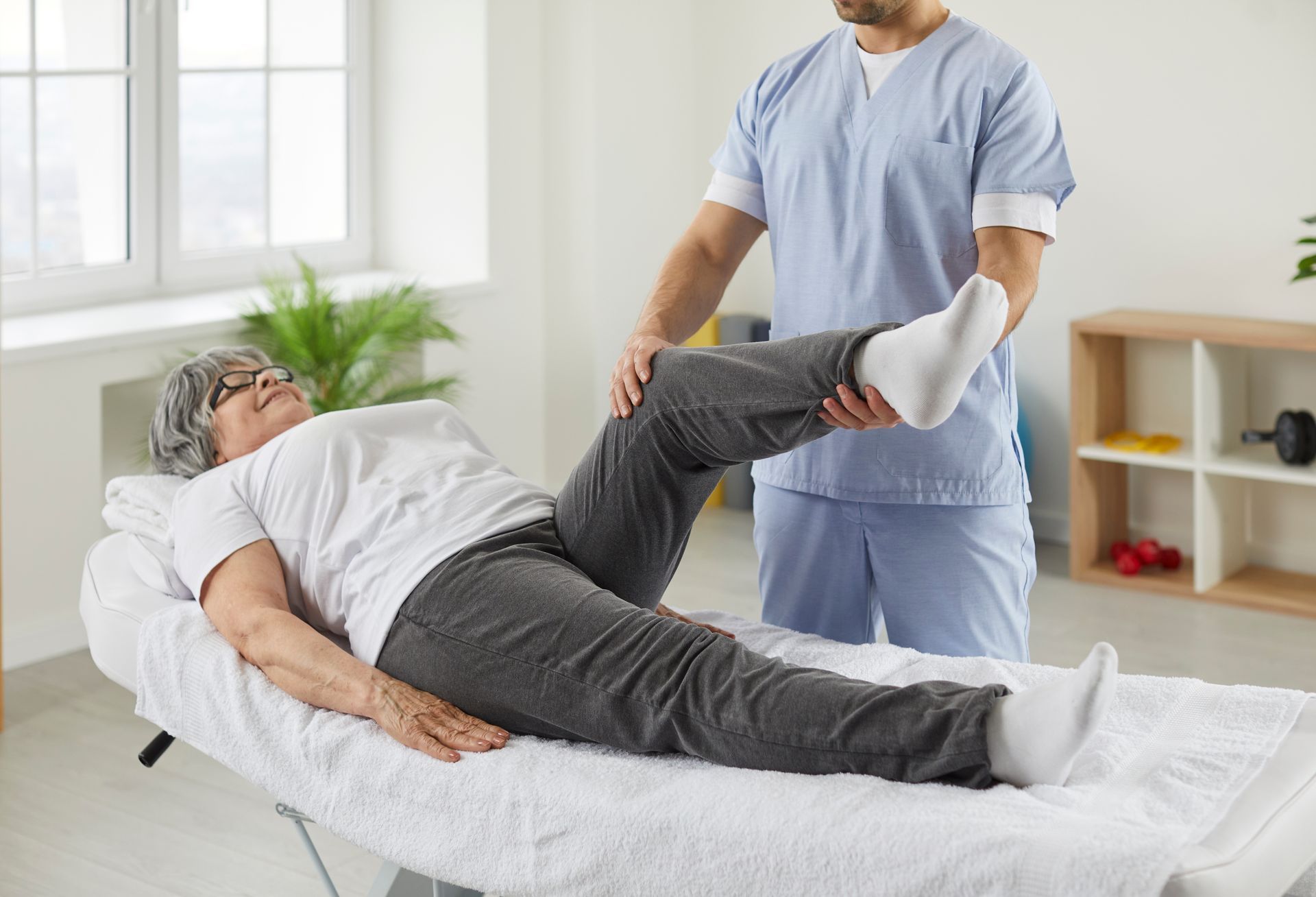
- Chiropractic care: Improving spinal alignment, joint mechanics, and controlled mobility
- Acupuncture: Reducing pain, calming the nervous system, and improving tissue healing
- Occupational Therapy (OT): Teaching safe movement strategies for work, sport, and daily life
- Medical care: Identifying underlying connective tissue or structural risk factors
By improving biomechanics, stability, and movement efficiency, we help patients not only feel better, but move better and perform better.
The Big Takeaway
This research shows that recurring disc injuries aren’t just “bad luck.” For some people, connective tissue health plays a major role. With the right combination of stability training, manual care, and personalized rehab, many patients can reduce pain and lower their risk of future injury.
If you’ve had repeat back injuries or feel like your core “never quite holds up,” Thrive Sports and Spine is here to help you build strength the right way.
Reference
Parkinson R, Mobbs RJ, Ma A. The role of collagen pathologies and ligamentous laxity in lumbar disc herniation and its recurrence: a systematic review and meta-analysis. Journal of Clinical Neuroscience. 2026 Feb 1;144:111804.