
What Is Gluteus Minimus Tendinosis? | Hip Pain Help at Thrive Sports & Spine

Karishma Patel, DC • August 5, 2025

Are you feeling pain on the side of your hip? It could be something called “gluteus minimus tendinosis.” At Thrive Sports & Spine, we want to help you understand what this means and how we can treat it together.


What is Gluteus Minimus Tendinosis?

Your gluteus minimus is a small muscle on the side of your hip. It helps you move your leg to the side and keeps your hip steady when you walk or run. Tendinosis means the tendon (the part that connects your muscle to your bone) has become hurt from being used too much or from getting older.

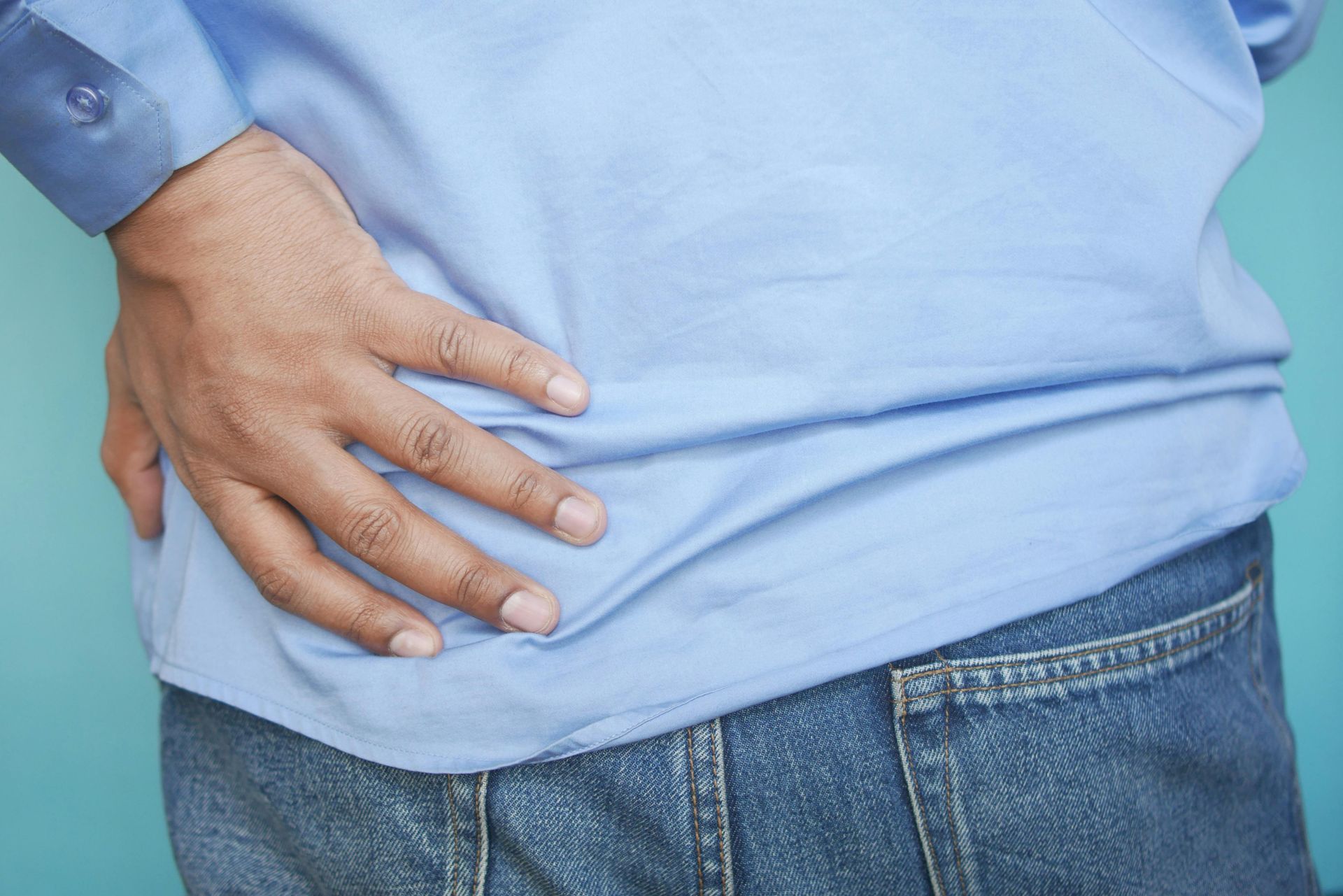
When people have gluteus minimus tendinosis, the tendon is worn down or inflamed. This often causes pain on the outside of the hip, especially when standing, walking, or lying on that side.


What Are the Symptoms?

- Aching or sharp pain on the side of your hip 
- Pain that gets worse when you walk, stand, or sleep on that side
- Trouble moving your hip or leg


What Causes It?
- Doing the same motions over and over, like running or climbing stairs
- Getting older (our tendons get weaker as we age)
- Weak hip or core muscles


How Do We Treat It?

At Thrive Sports & Spine, we use gentle, effective treatments for gluteus minimus tendinosis:

1. Rest and Ice: Take a break from activities that hurt. Put ice on your hip to help with swelling and pain.
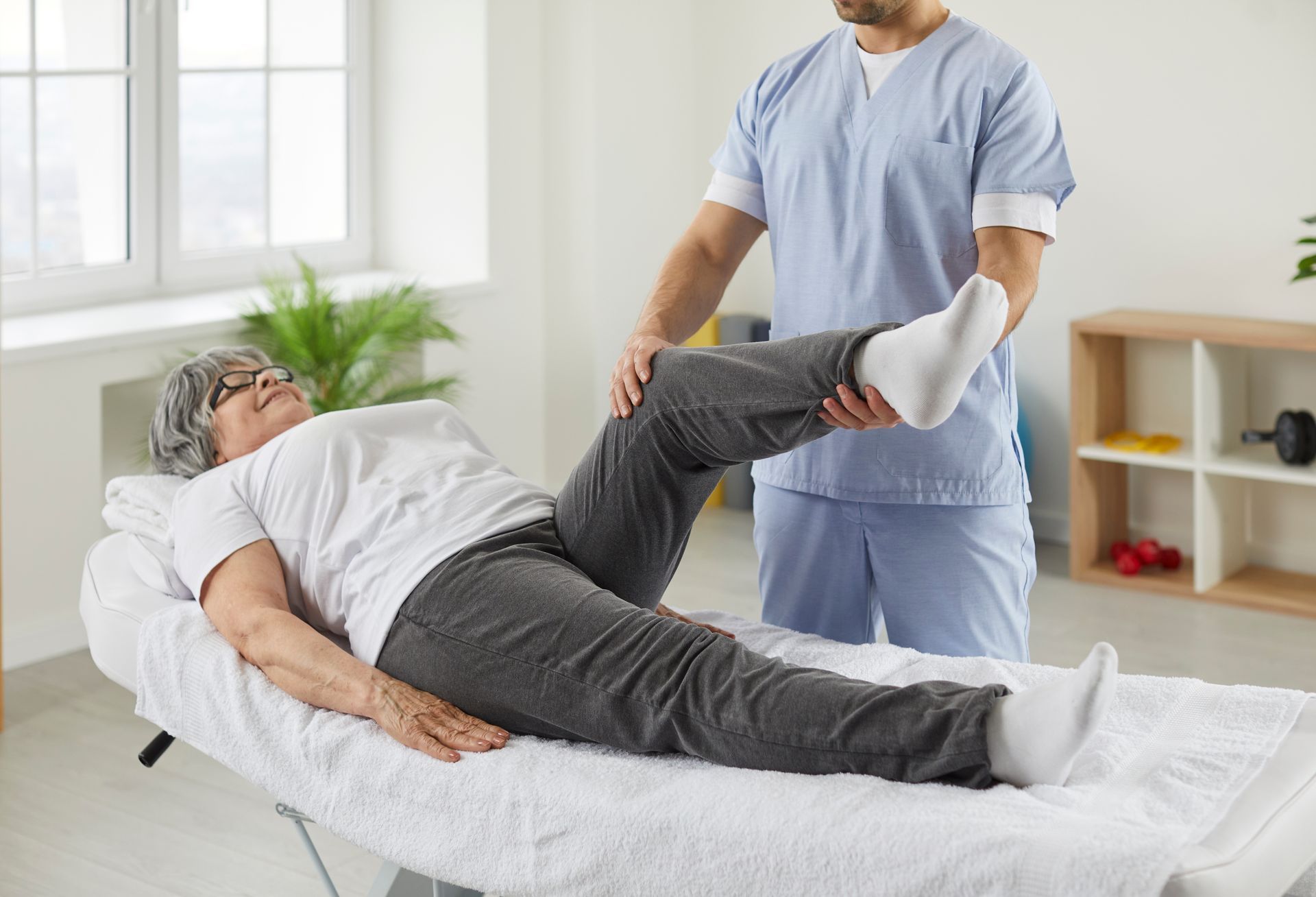
2. Chiropractic and Physical Therapy: Our team teaches you exercises to make your hip muscles stronger and stretch safely. Strong muscles help your hip heal and prevent the pain from coming back.
3. Pain Relief: We may suggest medicine that helps with pain and swelling (like ibuprofen), but always talk to your doctor first.
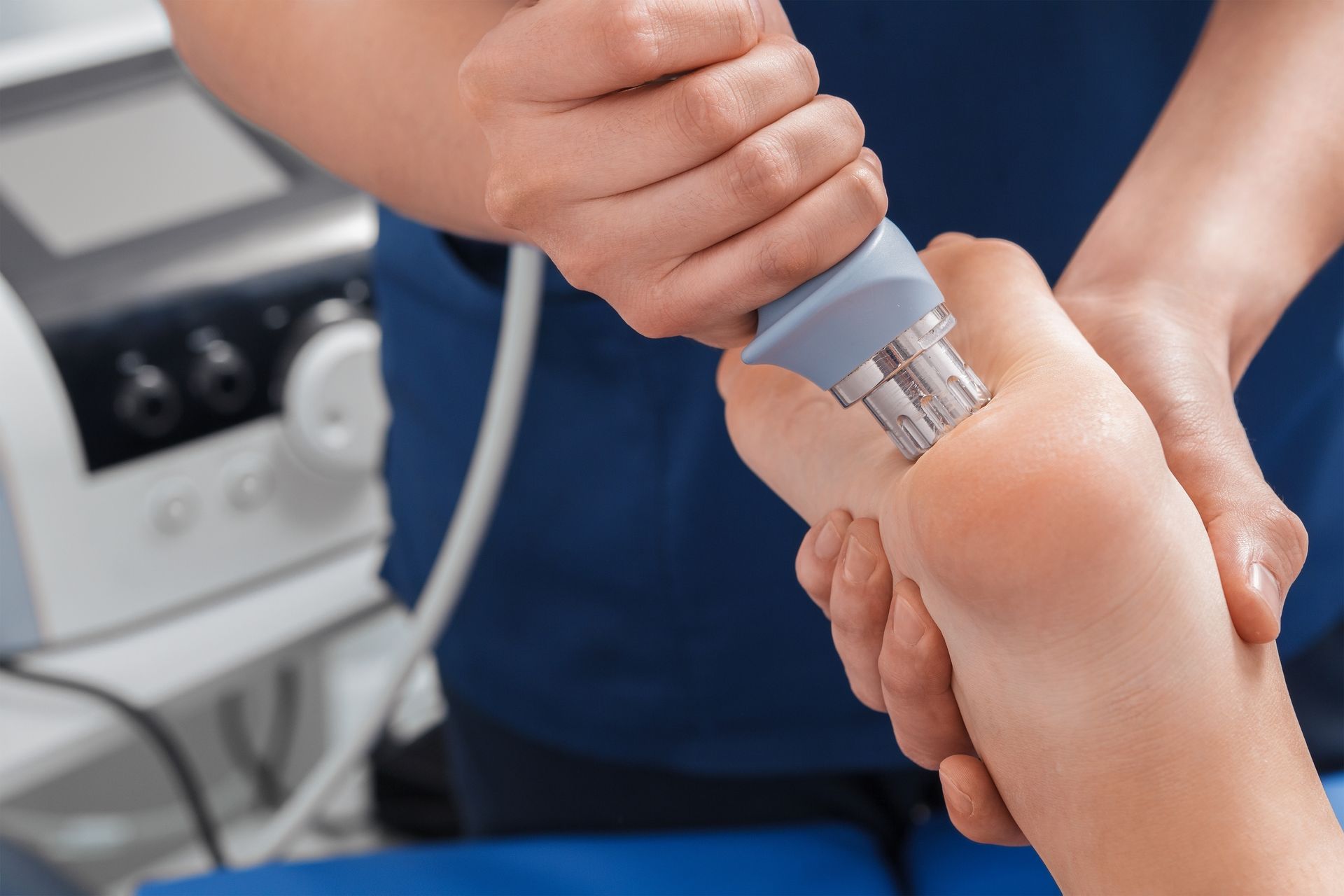
4. Special Treatments: Sometimes, doctors suggest shots to calm the pain for a short time or other advanced therapies: Shockwave Therapy, Active Release Technique, etc.
5. Surgery: This is very rare and only for very serious cases. Almost everyone feels better without surgery!


Will My Hip Get Better?

Yes! Most people start to feel better with the right care. But healing can take a few months, so be patient and keep doing your therapy and exercises at home.


When Should I See a Doctor?

If your hip pain does not get better or gets worse, call your chiropractor or doctor. At Thrive Sports & Spine, our experts are here to help you get moving again—pain free!


If you are struggling with hip pain or think you have gluteus minimus tendinosis, contact us to schedule an appointment. We’re here to help you feel your best!
April 22, 2026
Positive Outcomes of spinal decompression for low back pain
April 22, 2026
A 2025 systematic review of 36 randomized controlled trials (~2000 patients) found PRP significantly reduced pain scores compared to controls at...
April 21, 2026
If you’ve ever felt pain on the inside of your elbow when gripping, lifting, or swinging a golf club — you might be dealing with medial epicondylitis, also known as golfer’s elbow.
April 21, 2026
When people think about preventing falls, they usually focus on balance.
April 8, 2026
Neck pain is very common, but most people only think about the pain itself. New research shows that neck pain may also affect how your body controls movement and balance. A recent study published in PLOS One looked at how the neck works with the brain and nervous system. The neck plays an important role in helping your body understand position, movement, and balance. When the neck is not working properly, this system can become disrupted. What the Study Found Researchers studied people with chronic neck pain and measured how their neck muscles responded under different conditions. They looked at how the body uses vision and proprioception , which is your body’s ability to sense position and movement. They found that: Neck muscle activity changed depending on sensory input People with neck pain relied more on certain systems to stay balanced The body created compensations to deal with poor neck function This means that neck pain is not just about tight muscles. It can change how your brain and body work together. Study link: https://journals.plos.org/plosone/article?id=10.1371/journal.pone.0340633 Why This Matters for Athletes and Everyday Life Your neck is a key part of your movement system. It helps guide posture, balance, coordination, and reaction time. When the neck is not working well, it can lead to: Poor balance Slower reaction time Increased risk of injury Muscle tightness and fatigue Ongoing neck pain and headaches This is important for: Athletes who rely on coordination and control Active adults who train or exercise People who sit for long hours or use screens often Even small changes in how the neck functions can affect how the entire body moves. How Thrive Sports & Spine Uses This Research to Guide Care At Thrive Sports & Spine, we treat neck pain by looking at the full system, not just the area of pain. This study supports our approach to improving movement, balance, and nervous system function. Chiropractic care helps restore normal joint motion and improve how the neck communicates with the rest of the body Acupuncture helps reduce muscle tension and calm the nervous system Occupational therapy and rehabilitation improve posture, coordination, and stability Medical care , when needed, helps manage more complex or persistent conditions By combining these treatments, we help: Improve biomechanics Restore proper movement patterns Reduce pain and tension Enhance performance and daily function Helping You Move Better and Stay Balanced Neck pain is more than just discomfort. It can change how your body moves, balances, and responds to the world around you. If you feel unsteady, tight, or continue to have neck pain that does not go away, the issue may be deeper than just muscle tension. Improving how your neck functions can help your entire body work better. At Thrive Sports & Spine, we focus on finding the cause of the problem so you can move with confidence and feel your best.  Reference Wei W, Li W, Wang Y, Zhang S, Fan G, Bai Y. Importance of visual and proprioceptive inputs for maintaining balance in patients with chronic non-specific neck pain. PLOS One. 2026;21(3):e0340633.
March 2, 2026
Neck pain and headaches are two of the most common reasons people come into our office. Many people think headaches only come from stress or tight muscles. New research published in Spine shows there may be a deeper connection inside the neck that helps explain why neck problems and headaches often occur together. A recent study looked at important ligaments in the cervical spine, or neck. These ligaments connect parts of the spine to the protective covering around the spinal cord. This connection helps control movement and stability in the neck. Researchers found that when these tissues become irritated or restricted, tension may be transferred directly to sensitive nerve structures. This may help explain why neck stiffness or poor movement can lead to ongoing headaches. What the Study Found Researchers studied the anatomy of the neck and confirmed that certain spinal ligaments are directly connected to the covering of the spinal cord. Because of this connection, problems with joint motion or posture may place extra stress on nearby nerves. This means a person may experience headaches or neck pain even when imaging tests look normal. Limited movement, past injuries, sports activity, or long hours spent looking down at phones or computers can all increase stress in these tissues. Study link: https://www.ovid.com/jnls/spinejournal/abstract/10.1097/brs.0000000000005629 Why This Matters for Everyday Life and Sports Your neck plays an important role in balance, movement, and nervous system function. When the joints and supporting tissues do not move well, the body often responds with muscle tightness, stiffness, or headaches. This can affect: Athletes during training or competition Students carrying backpacks or using devices Desk workers sitting for long periods Anyone dealing with recurring neck tension or headaches Improving how the neck moves can reduce strain on these sensitive structures and help the body function more comfortably. How Thrive Sports & Spine Uses This Research to Guide Care At Thrive Sports & Spine, we focus on treating the cause of neck pain, not just the symptoms. This research supports our team approach to improving movement, reducing pain, and restoring normal function. Chiropractic care helps restore healthy motion in the joints of the neck and reduces stress on surrounding tissues. Acupuncture helps relax tight muscles and supports natural pain relief. Occupational therapy and rehabilitation improve posture, strength, and movement habits so symptoms are less likely to return. Medical care , when needed, ensures patients receive a full evaluation for more complex conditions. Working together, these treatments help improve biomechanics, decrease pain, and support better performance in daily life and sports. Helping You Move and Feel Better Headaches and neck pain are often connected. When movement in the neck improves, many patients notice better comfort, improved mobility, and fewer recurring symptoms. If you experience frequent headaches or ongoing neck stiffness, an evaluation may help identify the source of the problem. Our team at Thrive Sports & Spine is here to help you move better, feel better, and stay active.  Reference Iwanaga J, et al. The Cervical Ligamentum Flavum and Cervicodural Ligaments: Anatomical Insights with Potential Relevance to Cervicogenic Headache. Spine. 2026. doi:10.1097/BRS.0000000000005629
March 2, 2026
If you spend hours on your phone or computer, you may notice your head drifting forward and your neck starting to hurt. This is called forward head posture , and it’s becoming more common every year. But here’s something surprising: 👉 Your neck pain might not just be a neck problem. 👉 It could actually start from your core . What Did the Study Find? A recent randomized controlled trial looked at people with forward head posture and neck pain. Researchers compared two groups: One group did posture exercises only The other group did posture exercises + core strengthening Here’s what they found: Both groups improved their posture BUT the group that added core exercises had greater pain relief They also showed better spinal alignment on imaging 👉 In simple terms: Stronger core = better posture + less neck pain Why Does This Matter? Your body works as one connected system. When your core (abs, back, pelvis) is weak: Your spine loses support Your head shifts forward Your neck muscles work overtime Pain, stiffness, and even headaches can develop This study showed that treating just the neck isn’t always enough. You need to treat the whole system . How This Impacts Your Daily Life Forward head posture can affect: Sitting at a desk Driving Sleeping Working out Even your energy levels Over time, it can lead to: Chronic neck pain Headaches Poor movement patterns Decreased performance in daily activities How Our Team Can Help At our clinic, we don’t just chase symptoms — we look at why the problem is happening . Occupational Therapy (OT) We help you: Retrain posture during daily activities (work, driving, lifting) Improve movement patterns and body awareness Build functional strength that carries over into real life Chiropractic Care Improves joint mobility in the spine Reduces stiffness and mechanical stress Helps restore proper alignment Acupuncture Reduces muscle tension and pain Helps calm the nervous system Supports recovery and relaxation Medical Providers Help manage inflammation and pain when needed Ensure safe, coordinated care Why This Approach Works This study supports something we see every day: 👉 You get better results when you treat the whole body — not just the painful area. By combining: Core strengthening Postural correction Hands-on care Functional training We can improve: Pain Biomechanics (how your body moves) Performance in daily life and exercise  Simple Takeaway If you’re dealing with neck pain or poor posture: ✔ Don’t just stretch your neck ✔ Don’t just sit up straighter 👉 Start building your core stability 👉 And get a plan that looks at your entire body Ready to Feel Better? If you’ve been dealing with: Neck pain Headaches Poor posture Pain with sitting or working Our team is here to help you move better, feel better, and get back to doing what you enjoy. Study Reference Shabana AMM, Ashour RS, Yamany AS, Hanafy AF. Radiographic and clinical effects of core stabilization on cervical pain and sagittal balance in forward head posture: A randomized controlled trial. Korean Society of Spine Surgery, 2026. DOI: https://doi.org/10.1016/j.asj.2025.0297
January 14, 2026
Ankle sprains are one of the most common injuries in youth sports. Whether a young athlete plays soccer, basketball, runs track, or just stays active year-round, the ankle is constantly asked to handle cutting, jumping, and sudden changes in direction. Over time, many athletes notice that the same ankle keeps rolling or feels weak, even long after the original injury. A recent study in Knee Surgery, Sports Traumatology, Arthroscopy helps explain why this happens and why early care matters. What the Study Found  Researchers examined adolescent male athletes and found that nearly two-thirds had increased looseness in the ligaments on the outside of the ankle, a condition known as lateral ankle laxity . Even more important, those athletes also showed weaker activation of the peroneal muscles , the muscles that help protect the ankle during weight-bearing movements. This means the ankle was not only structurally loose, but also lacked the muscular control needed to stay stable during sports. Study link: https://esskajournals.onlinelibrary.wiley.com/doi/abs/10.1002/ksa.70184 Why This Matters for Young Athletes When the outside ligaments of the ankle become stretched and the stabilizing muscles stop firing properly, the body starts to move differently. Balance becomes less reliable, reaction time slows, and the risk of re-injury rises. Over time, this instability can affect the knees, hips, and even the lower back as the body tries to compensate. For young athletes, this often shows up as repeat ankle sprains, hesitation with cutting movements, or a loss of confidence during play. How Thrive Sports & Spine Uses This Research to Guide Care At Thrive Sports & Spine in Somers Point, NJ, we do not treat ankle sprains as isolated events. This study supports our multidisciplinary approach, which focuses on restoring stability, improving biomechanics, and protecting long-term performance. Chiropractic care helps restore proper motion in the foot, ankle, and lower body so joints are not forced to compensate. Soft tissue therapy and shockwave therapy can improve tissue quality and help irritated structures recover. Acupuncture supports pain control and helps calm protective muscle guarding. Occupational therapy and rehabilitation programs retrain balance, coordination, and peroneal muscle strength so the ankle can protect itself again. Medical care , when needed, ensures a full evaluation if swelling, repeated sprains, or significant instability are present. Helping Young Athletes Stay Confident on Their Feet If a young athlete feels like their ankle keeps giving out, it is not just bad luck. It is often a sign that the stabilizing system around the joint is no longer doing its job. By addressing ligament health, muscle control, and movement patterns together, we help reduce pain, improve biomechanics, and support safe return to sport. Reference: Yokoe T, Kawaguchi T, Kubo A, Kamei N, Teramoto A, Takao M, Pereira H. Approximately two-thirds of adolescent male soccer players had increased lateral ankle laxity with functional ankle impairments. Knee Surgery, Sports Traumatology, Arthroscopy. 2025. doi:10.1002/ksa.70184
January 9, 2026
Many people think of migraine as “just a headache.” But for many patients, migraine also comes with neck pain, stiffness, and tension that can make daily life harder — even when the headache itself isn’t present. A recent qualitative study published in the Brazilian Journal of Physical Therapy explored how people with migraine experience neck pain, how it affects their lives, and how they try to manage it. What the researchers found highlights an important gap in care — and an opportunity for a more complete, movement-focused approach to treatment. What the Study Looked At (In Simple Terms) Researchers interviewed 27 adults with migraine who also had neck pain . Instead of measuring numbers or scans, they focused on something just as important: how patients describe their pain, what they think causes it, and how they cope with it . This type of research helps us understand what patients are actually dealing with day to day — not just what shows up on a test. Key Findings: Neck Pain Is Common, Confusing, and Often Ignored The study found several important themes: Neck pain is very common in people with migraine Patients described neck pain as tightness, stiffness, locking, or tension Neck pain caused discomfort, worry, and frustration Most people were uncertain about what caused their neck pain Many relied on trial-and-error self-management , without clear guidance Interestingly, many participants said neck pain did not stop them from daily activities — unless it occurred with a migraine attack. This may explain why neck pain is often brushed off or left untreated, even though it adds to overall discomfort and stress. The authors concluded that healthcare providers should assess more than just headaches when treating migraine — especially the neck and upper spine (craniocervical region) . Why Neck Pain and Migraine Are Connected Research shows that people with migraine are much more likely to experience neck pain than people without headaches. The neck and head share nerve pathways, muscle connections, and movement patterns. Poor posture, stress, muscle weakness, joint stiffness, and repetitive positions can all increase strain on the neck — potentially worsening symptoms. When neck pain isn’t addressed, it can: Increase muscle tension Alter posture and movement Reduce confidence in movement Add to the overall migraine burden Where Occupational Therapy Fits In Occupational Therapy (OT) looks beyond pain alone. We focus on how pain affects daily life , including work, school, sleep, posture, stress, and movement habits. For patients with migraine and neck pain, OT may help by: Improving neck, shoulder, and upper-back mobility Addressing posture and ergonomic stressors (workstations, phones, backpacks, sleep positions) Teaching movement strategies to reduce strain during daily activities Building strength and endurance to support the neck and shoulders Helping patients understand how emotions, stress, and habits affect pain Providing clear guidance , so patients don’t feel confused about how to manage symptoms OT helps patients move with more confidence — not just during exercise, but during real-life tasks. A Team-Based Approach Works Best At Thrive Sports & Spine Associates, we use a multidisciplinary approach to migraine-related neck pain: Chiropractic care may improve joint mobility and spinal mechanics Acupuncture may help regulate pain, muscle tension, and nervous system response Medical providers help manage migraine diagnosis and medication when needed Occupational Therapy bridges the gap between treatment and daily function This team approach addresses pain, biomechanics, posture, movement, and performance — not just symptoms in isolation. The Takeaway This study reinforces an important message: Neck pain matters in migraine — even when it doesn’t stop daily activities.  When neck pain is misunderstood or ignored, patients are left guessing how to manage it. With proper assessment, education, and movement-based care, patients can gain clarity, confidence, and better control over their symptoms. If you experience migraines with neck pain, a comprehensive evaluation of the neck and upper spine may be an important step toward feeling and moving better. Study Link https://doi.org/10.1016/j.bjpt.2025.101565 Reference Dietrich Deitos Rosa, M., Florencio, L. L., Marçal, J. C. S., Dach, F., Palacios-Ceña, D., & Bevilaqua-Grossi, D. (2025). The experience of neck pain in people with migraine: A qualitative study. Brazilian Journal of Physical Therapy.
Woman in sportswear, holding her lower back in pain while standing on a path in a park.
January 9, 2026
At Thrive Sports and Spine, we take a whole-body, team-based approach to spine health, especially for patients with recurring injuries.